15 Heavy Construction Equipment Names and Uses
Every construction project has a perfect set of machinery to get the job done. Getting the right equipment for each project helps with efficiency, safety and build quality. Because of this, it’s essential to be on the same page with your team when it comes to choosing equipment. Some machines have multiple uses, while others are task-specific.
So, if you are interested in construction, here are 15 construction equipment names ad uses you need to know:
-Excavator
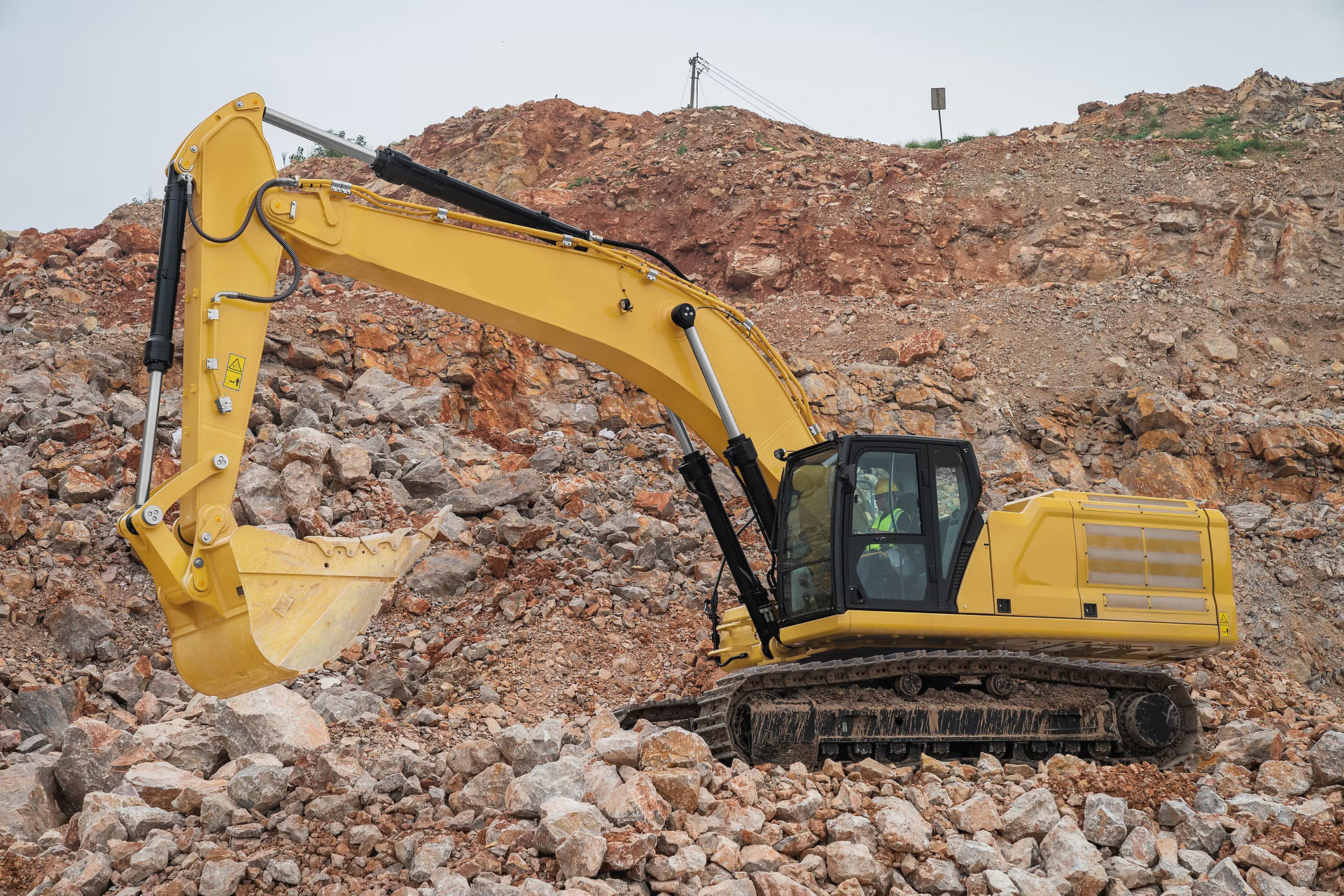
An excavator is a heavy piece of machinery used to dig and crush material on a site. It consists of a hydraulic crane-like boom with a metal shovel that has sharp prongs on the end. The driver’s cab is set on a rotating platform, making the machine more maneuverable. The machine is mobile due to an undercarriage consisting of heavy-duty tracks. Although sometimes called a “power shovel,” an excavator and a power shovel have their differences.
-Backhoe Loader
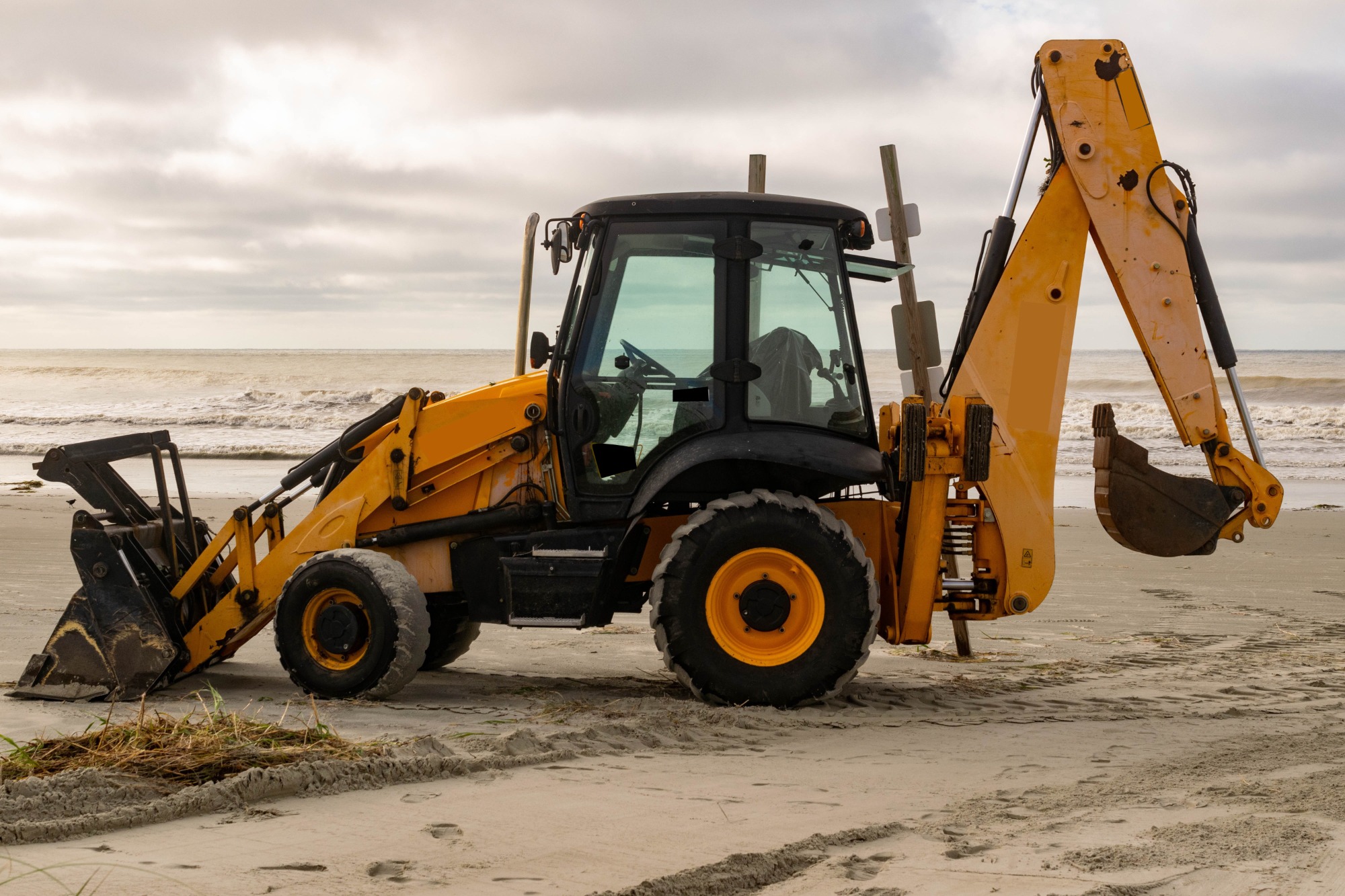
Another type of digger is a backhoe loader. Equipped with a backhoe in the back and a bucket in front, this is a multi-use machine. Similar to a tractor, it’s operated by a driver and has the ability to push materials, with the additional benefit of scooping. Due to its small profile and high maneuverability, the backhoe loader (referred to as backhoe in the industry) is commonly seen in urban environments.
-Wheel Loader
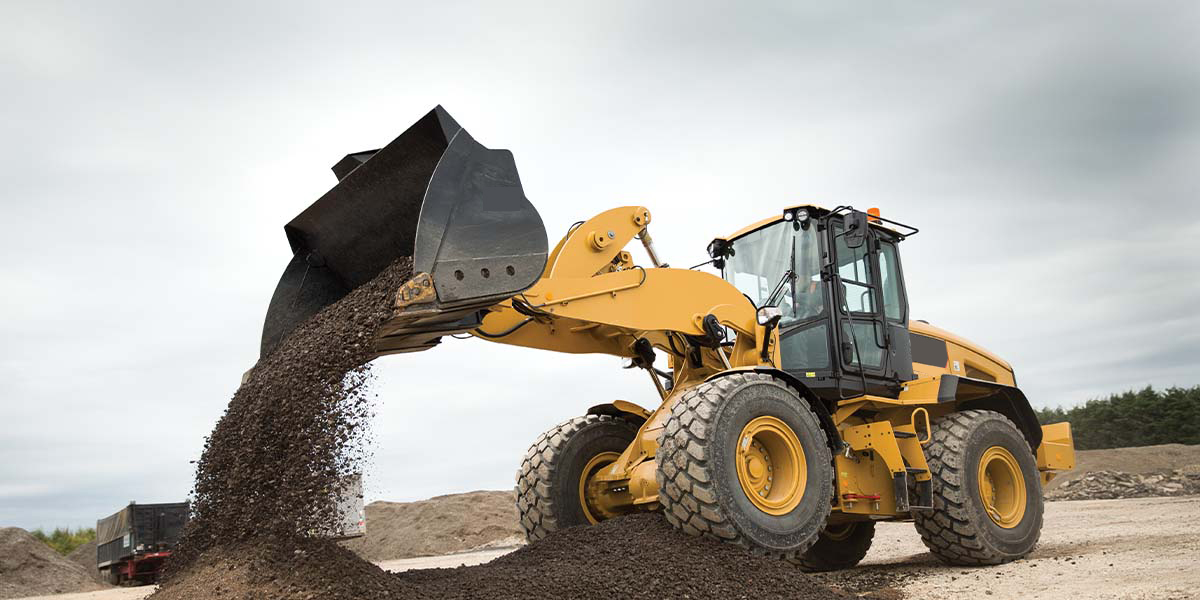
Wheel loaders are great on a variety of job sites because they come in a range of sizes including mini, compact, and large. They're also extremely maneuverable because of the wheels and articulating body which gives them a tight turning radius. This allows them to be driven over several types of terrain and won't damage finished areas like asphalt and concrete.
-Bulldozer
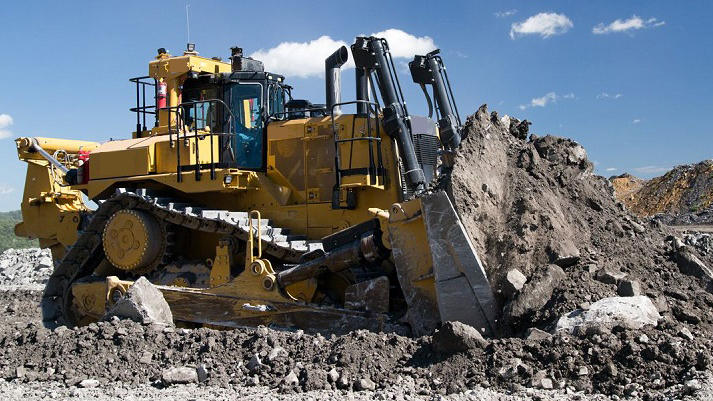
Bulldozers are pieces of crawler equipment and have many different uses. Equipped with a metal bucket plate, this piece of heavy machinery is used to push, carry and condense any sort of loose material on site. The metal plate can also be used to loosen compacted materials and break apart walls or other stable structures.
-Skid Steer Loader
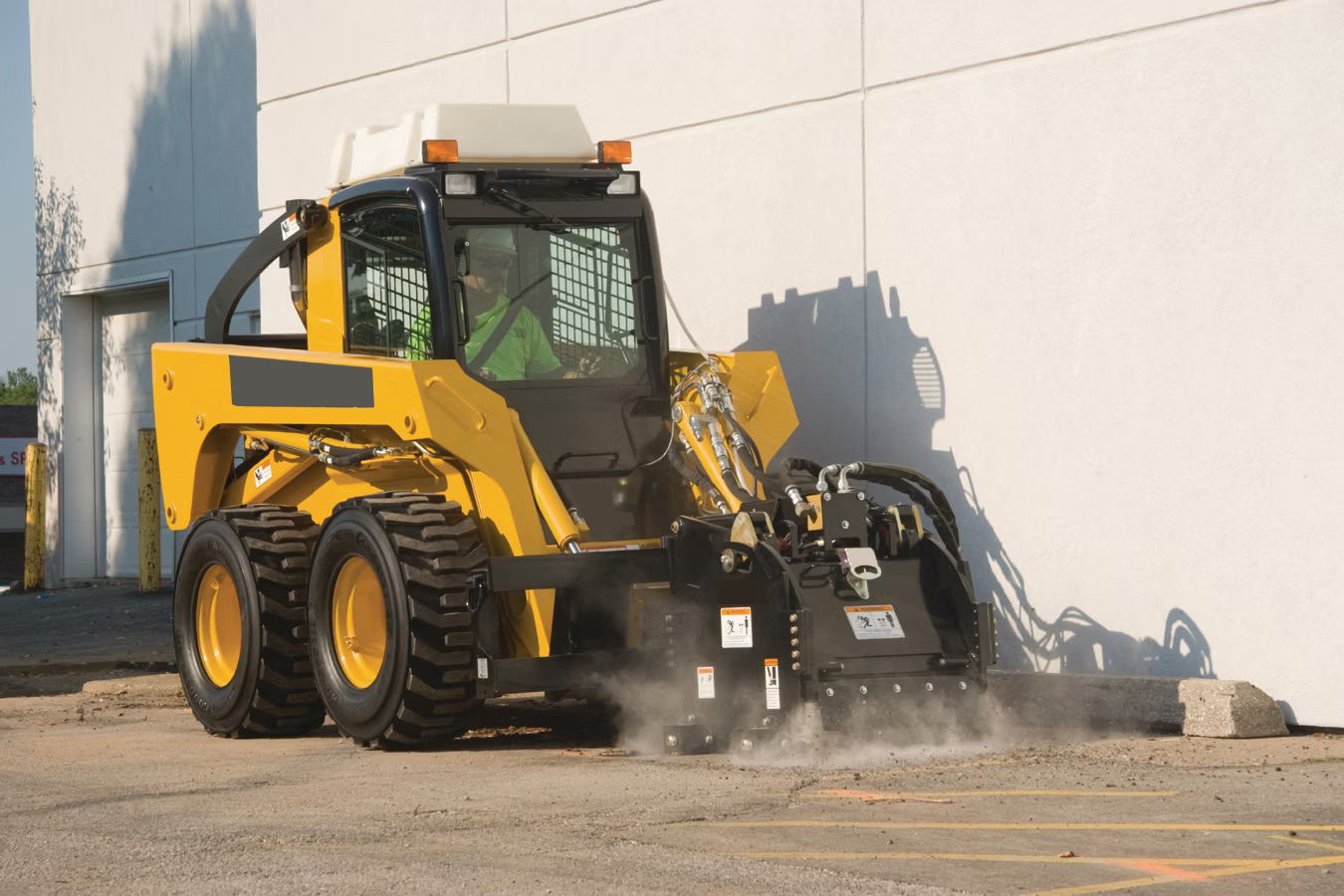
Used for a plethora of jobs, a skid-steer loader is a small engine-powered machine. In front of the operating cabin, there’s a mechanism that allows for the attachment of different types of tools. From buckets to loaders, a skid loader can host different equipment and is also small enough to maneuver into tight areas of a site. The frame is rigid, meaning turning is done through differential steering (e.g., each wheel moves at a different speed, thus causing a turn).
-Grader
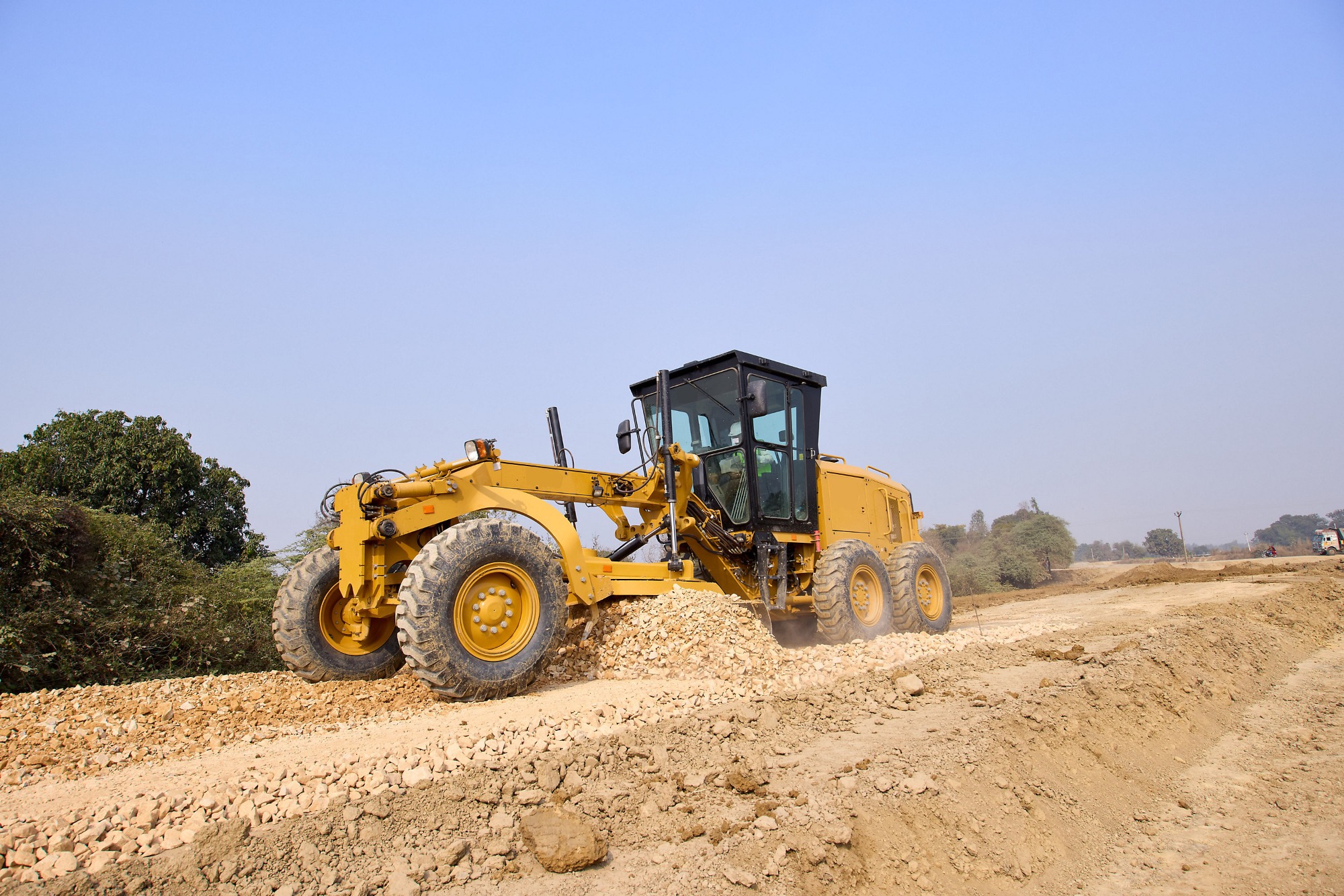
A motor grader is essential to the process of building a road. This heavy machinery is one of the components that flattens an area of dirt in order to build a road. A grader ensures an even grade thanks to a metal plate that flattens the areas it passes over. It’s typically six-wheeled and has an elongated nose where the flattening metal plates sit.
-Drum Roller
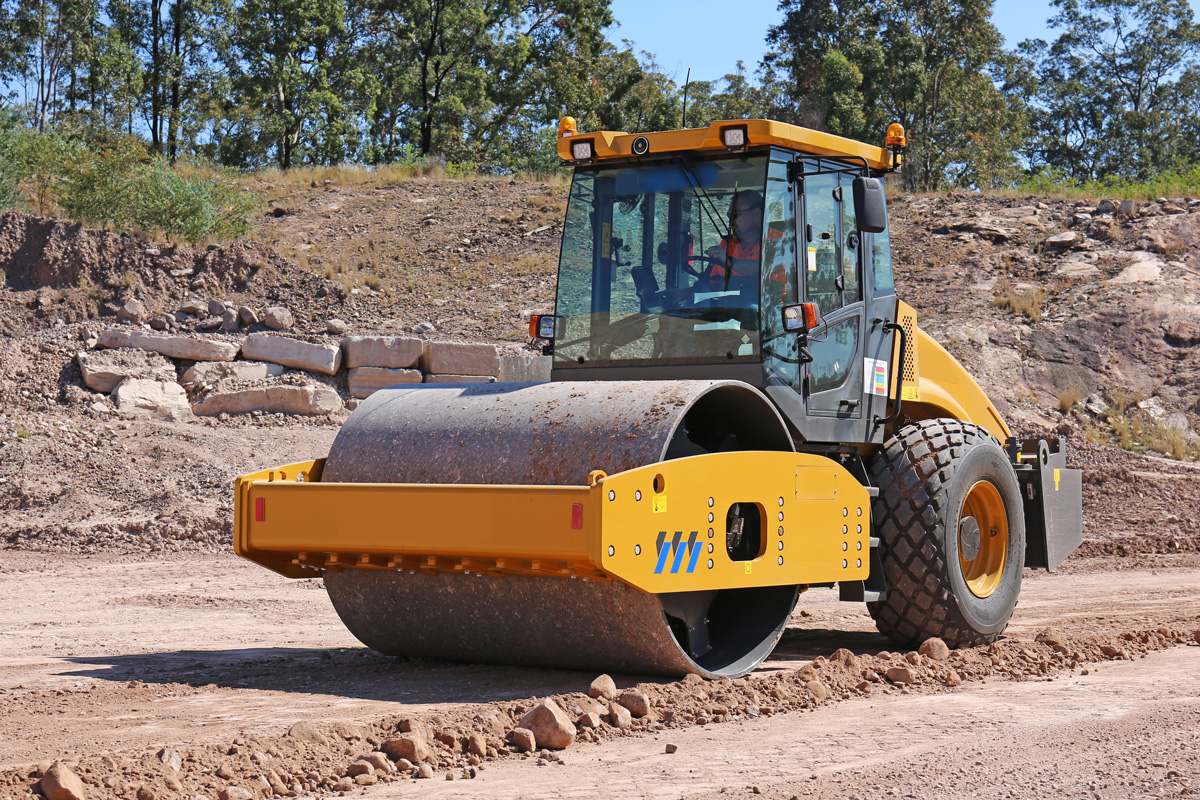
In order to press asphalt, soil and other loose materials, drum rollers are used. This machine is typically found at road construction sites. There are two types of drum rollers: smooth rollers and padfoot rollers.
Smooth rollers provide static pressure and use vibration to compact loose materials. Padfoot rollers, also known as Sheepsfoot rollers, also provide static pressure and vibration; however, they also generate manipulative force, allowing for uniform compaction.
-Boom Lift
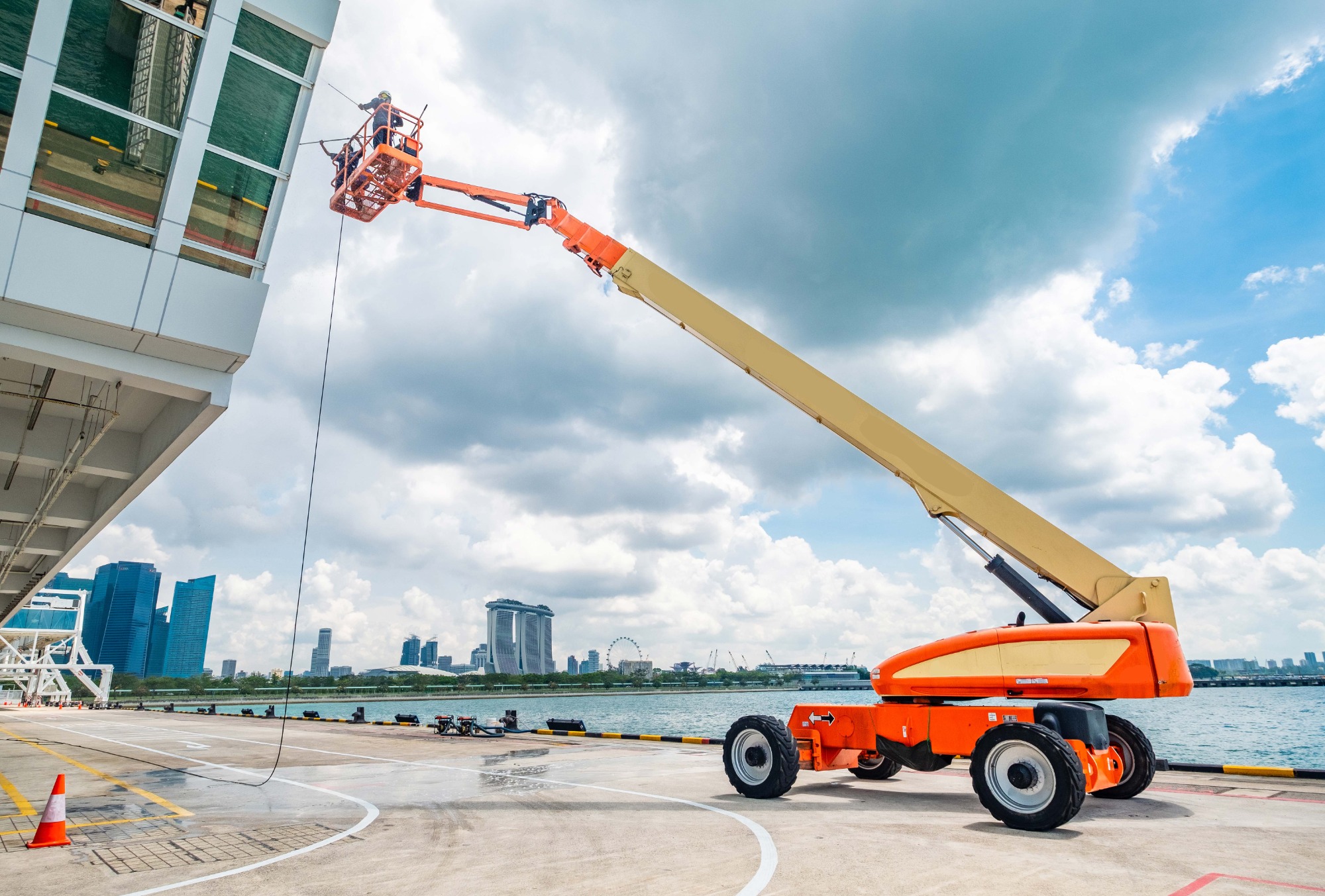
A boom lift is a type of aerial platform used to get workers off the ground to work on an elevated project. This construction lift has a bucket that’s typically large enough for one to two workers to stand in. Wheels or a continuous band of treads are used to make the machine mobile. The crane that lifts the bucket is operated by a hydraulic lift system. There are two main types of boom lifts: articulating and telescopic, but these are all part of the larger “construction lift” family.
-Scissor Lift
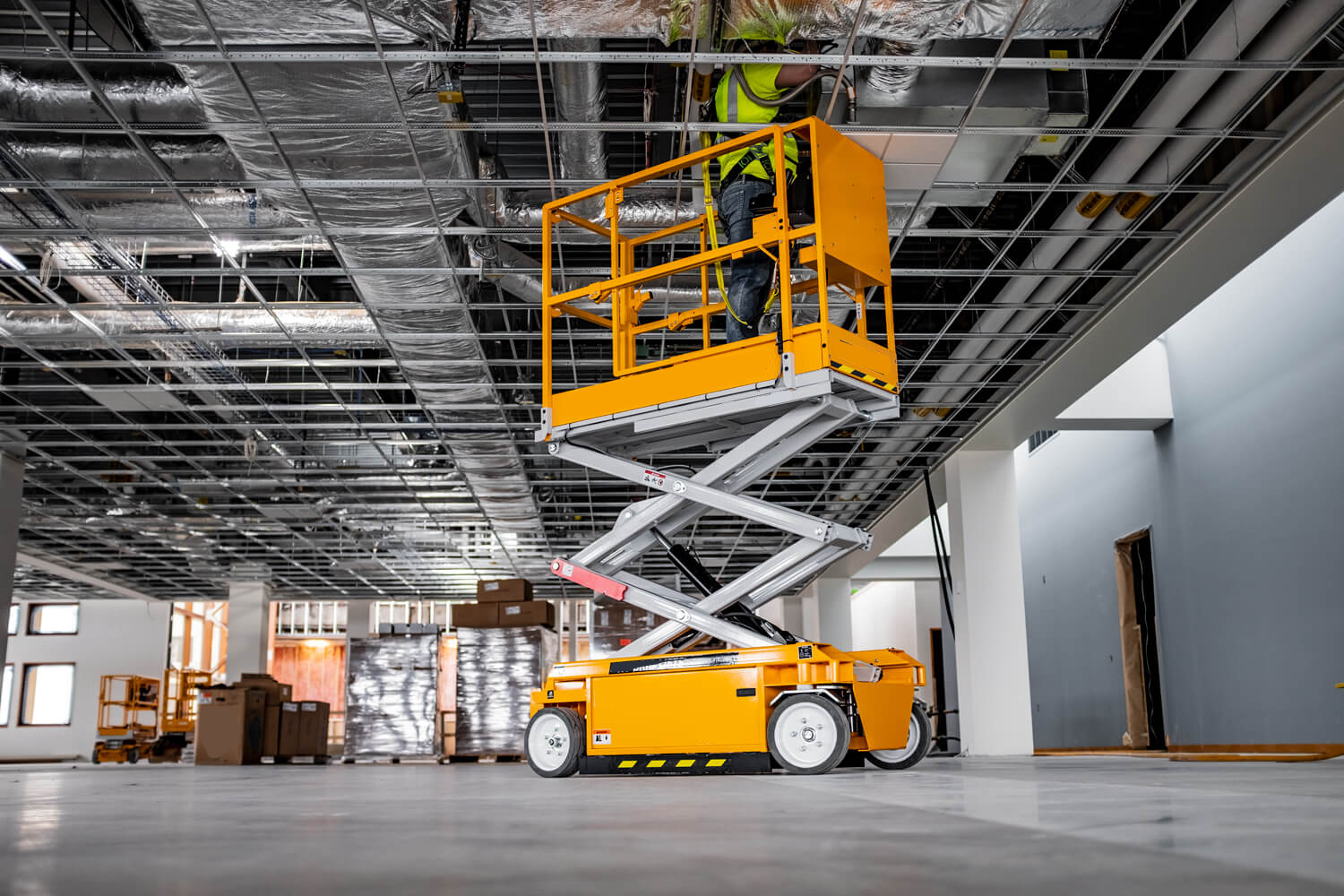
Similar to a boom lift, scissor lifts are aerial work platforms used to elevate workers. Both electric and engine-powered scissor lifts exist. Electric scissor lifts are used when a quieter work environment is needed, whereas engine-powered lifts sacrifice quiet for rugged terrain mobility. Scissor lift buckets are elevated by a system of jacks.
-Forklift
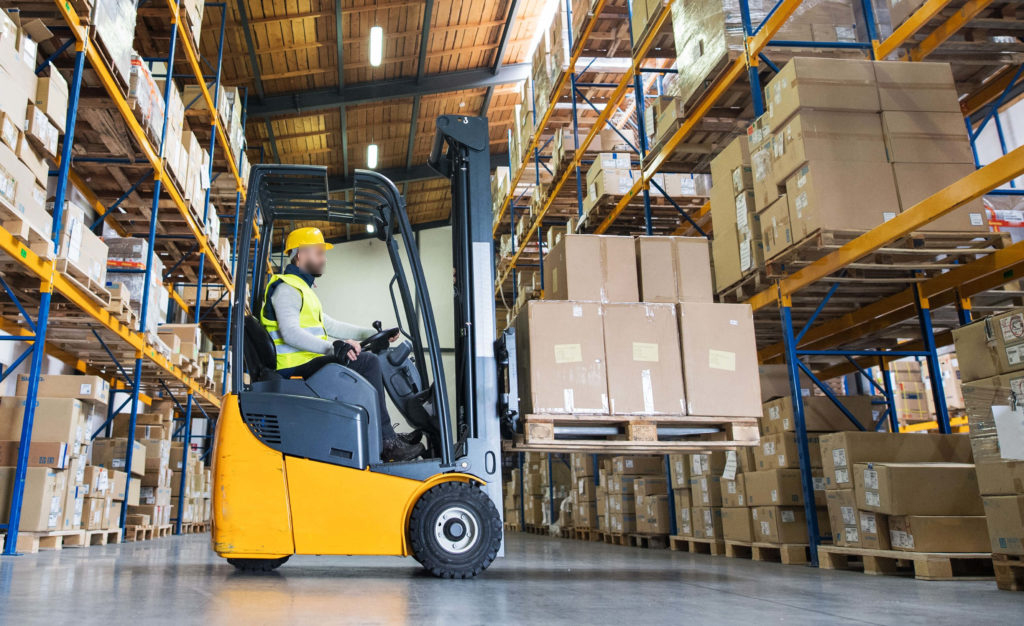
If materials need to be transported a short distance, forklift equipment can be used. The lift can move materials both vertically and horizontally. Usually used in warehouses, it’s operated by a steering wheel and dashboard controls. This equipment is great for loading and unloading heavy packages/materials. There are ten main forklift types, each with a specific use. For instance, the reach forklift is used to “reach” boxes and other objects at extremely high heights within a warehouse.
-Truck-Mounted Crane
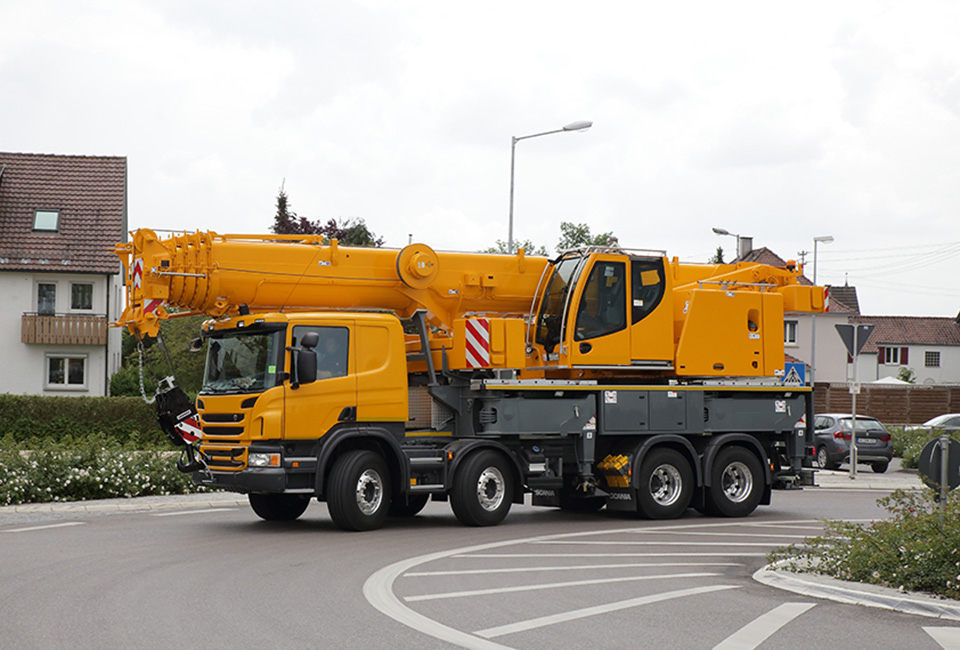
Truck-mounted cranes combine the mobility of a truck with a crane’s lifting capabilities. A heavy-duty crane can assist construction sites with moving heavy loads like steel beams, shipping containers, trees or logs. Because the crane connects to a truck chassis, it is easy to relocate. Additionally, truck-mounted cranes are very quick to set up compared to standard, fixed cranes, making them an even more flexible option.
-Walkie Stacker
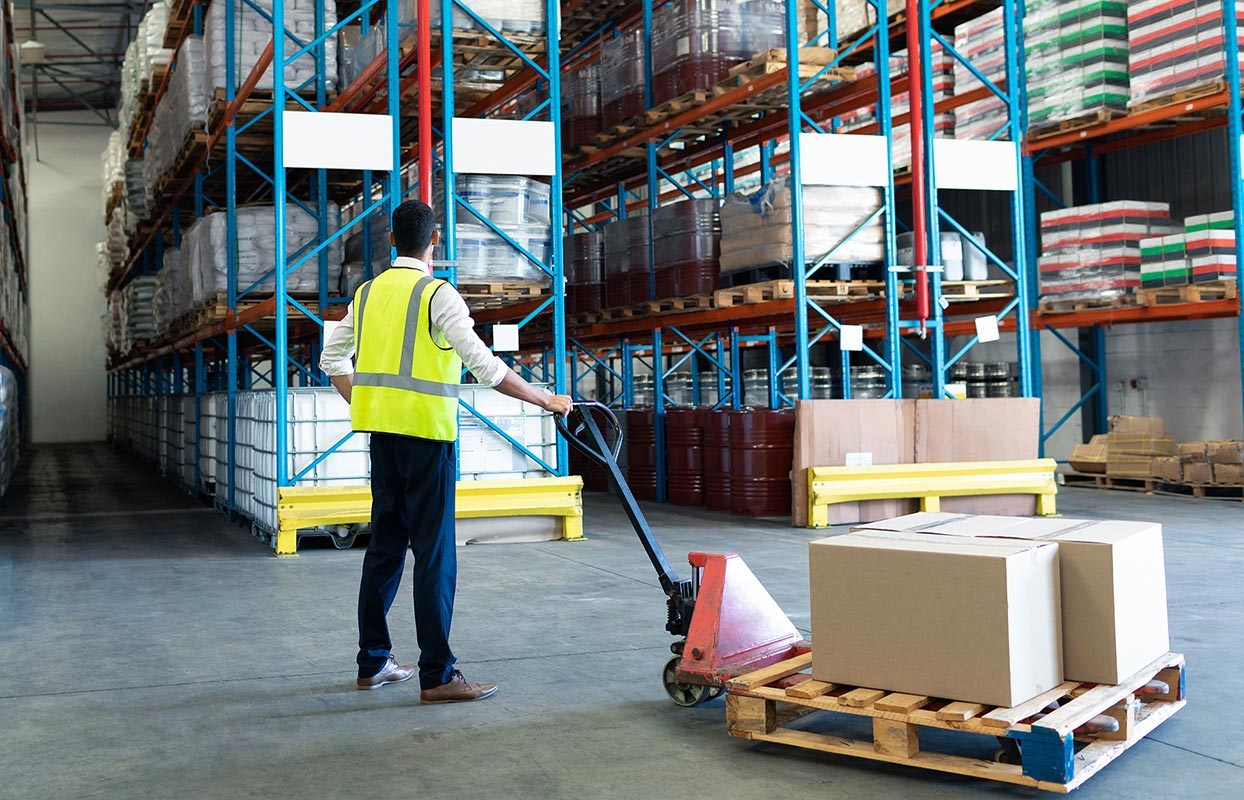
Walkie stackers, also known as pallet jacks, are similar to forklifts, except that they aren’t driven. Instead, workers operate walkie stackers by standing behind them and using control guides to lift and push pallets or other loads around the warehouse or job site. This design makes the walkie stacker more compact than a forklift and often more maneuverable in tighter spaces. Walkie stackers are incredibly useful tools for loading or unloading trucks, racks and shelves.
-Dump Truck
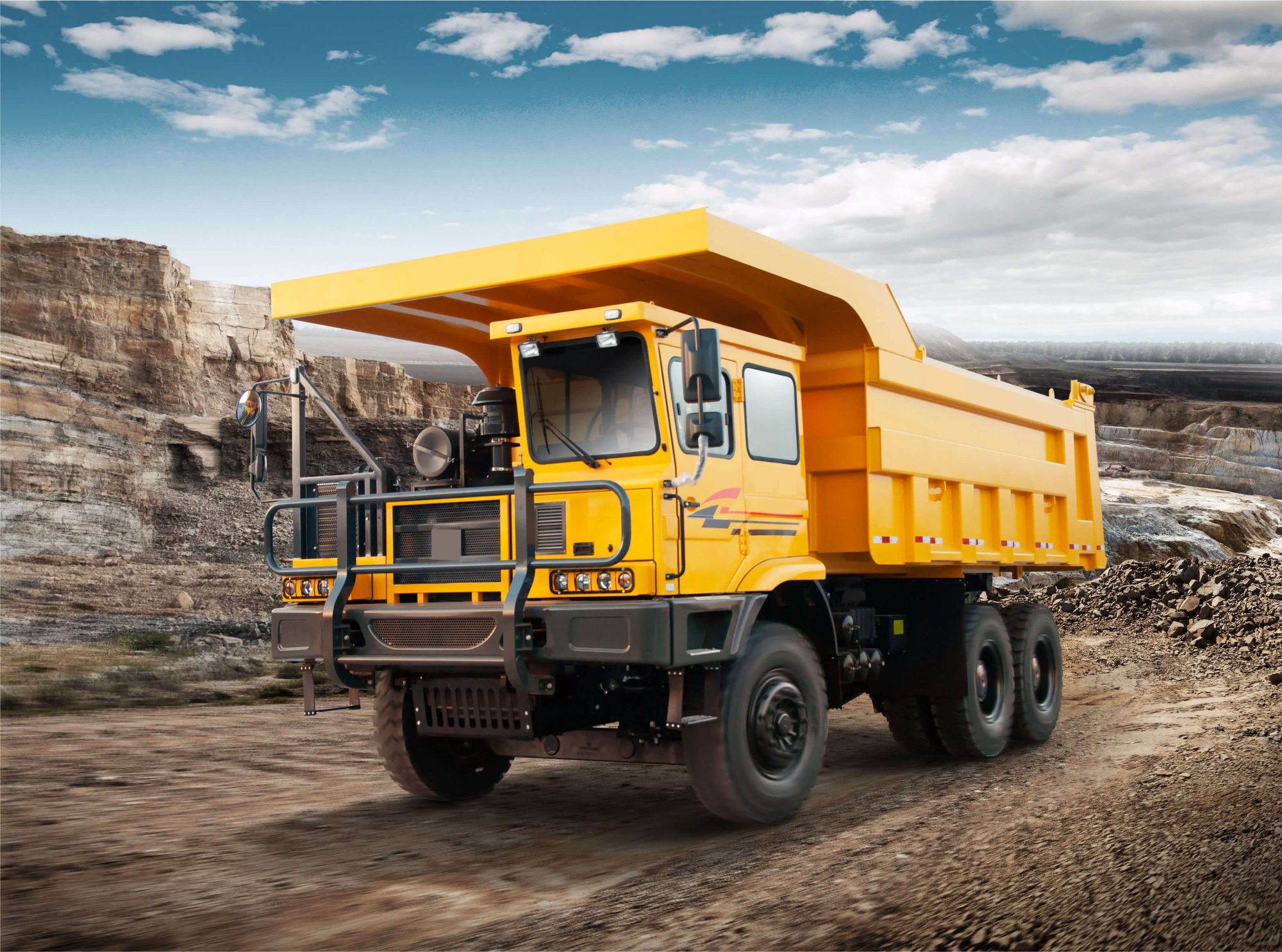
Dump trucks are vehicles that transport loose materials like gravel, sand, dirt and construction waste. They’re known for their open-top beds and hydraulic lifting mechanisms that can effectively tip or “dump” materials out of the vehicle. This makes them helpful machines to have around mining, construction or emergency disaster cleanup sites, to name a few. Dump trucks come in various sizes and can feature wheels suited for both easy and difficult terrain.
-Articulated Hauler
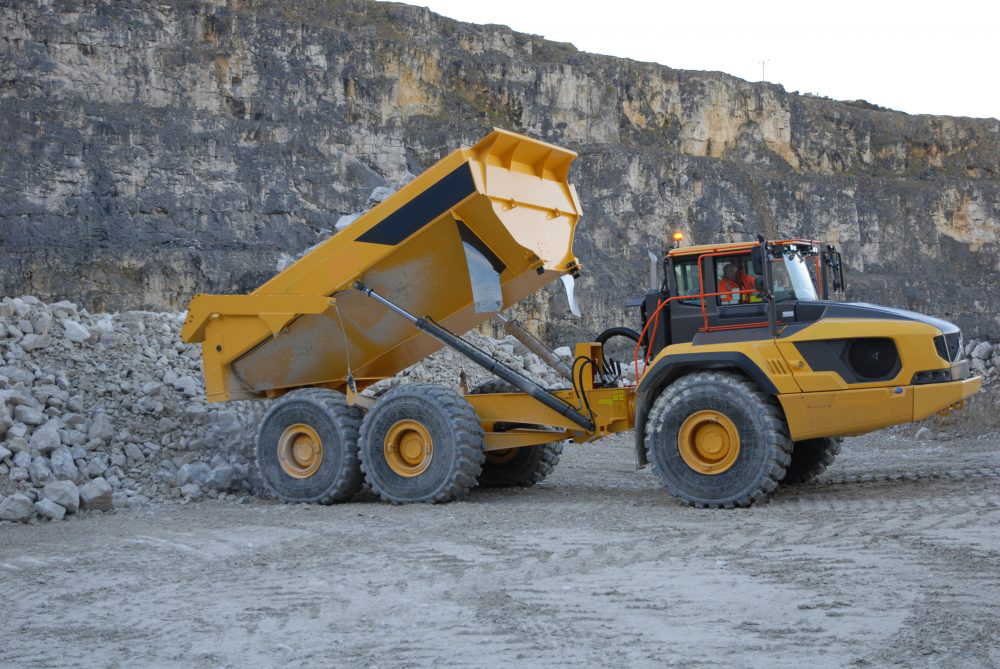
As with any articulated truck, an articulated hauler has a pivot joint in its build, giving it increased mobility. Because of this joint, it can carry massive loads around tight turns, making it ideal for most structural builds. This dump truck has a control hub where the driver sits and a material pail where loads go to be transported. Almost all articulated haulers are four-wheel drive, giving them access to most sites regardless of condition.
-Concrete Mixer Truck
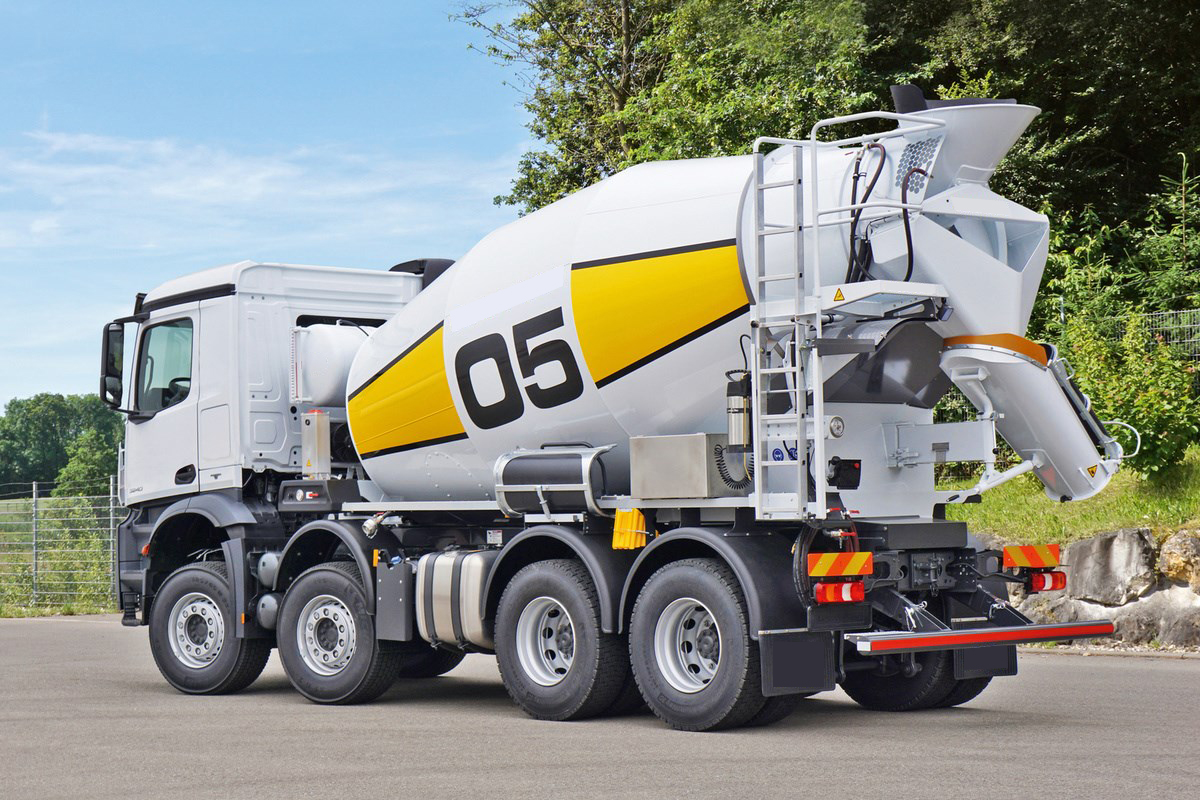
These machines are just what they sound like — trucks that mix and transport concrete from a batching plant to a construction site. They feature a large cylindrical drum that continually rotates to keep cement evenly mixed. This rotating drum also prevents the cement from hardening. Concrete trucks come in a variety of sizes from a few cubic yards up to meet the needs of construction projects, both big and small.
Whatever your project entails, we hope that this has given you more direction in deciding what equipment you will need. It’s important to consider safety and efficiency when selecting the gear needed to complete your task.
Some of these machines are easier to come by than others, but ShiWen Construction Machinery Co. has everything you need to help you get the job done right.



 Case | Ship one New backhoe loader to Africa!
 Case | Ship a 5 ton XCMG ZL50GN loader to Africa!
 Case | Ship CAT 246 skid steer loader to South America!
 Case | Ship Bobcat S70 S550 skid steer loader to Europe!

